The 80/20 Way to Track Nutrition (No Apps, No Guilt, No Obsession)
I used to be the person who logged every almond bite into an app. I honestly thought that if I didn't know exactly how many grams of fiber I'd eaten by 2 p.m., I'd somehow lose control of my health. But here's what actually happened: I lost the joy of eating, spent way too much time staring at my phone, and eventually burned out so hard that I stopped tracking altogether. That's when I discovered the 80/20 rule—and it completely changed how I think about nutrition tracking.
The 80/20 way isn't a diet. It's a mindset shift that says: 80% of the time, eat foods that nourish you. 20% of the time, eat foods that delight you—and don't stress over either number. It's the best way to track nutrition without obsessing because it replaces counting with awareness and guilt with flexibility. You don't need an app, a scale, or a spreadsheet. You just need a simple mental framework that works with real life, not against it.
In my own experience, the moment I stopped logging everything, I actually started eating better. I noticed I naturally gravitated toward vegetables when I wasn't forcing myself. And on the days I had a slice of cake or a big bowl of pasta, I enjoyed it fully instead of spiraling into self-blame. That's the magic of the 80/20 method—it's sustainable because it's kind.
The Simple Mechanics: How to Apply 80/20 to Your Daily Eating (No Apps Needed)
When I first tried to apply the 80/20 rule, I made the mistake of trying to measure the 20% part too precisely. I'd think, "Okay, I had a donut at breakfast, that's 5% of my week's fun food allowance." That's not the point. The mechanics are simpler than that.
Step 1: Use the Plate Visual
The only tool you need is your dinner plate. Aim for half your plate to be vegetables or fruit, a quarter protein, and a quarter whole grains or starchy vegetables. That's the 80% baseline for a meal. You don't have to hit it perfectly every time. Over the course of a week, if most of your meals look roughly like that, you're on track.
Step 2: Keep a Mental Checklist, Not a Log
Instead of typing into an app, just take a few seconds after each meal to ask: Did I get some protein, some fiber, and something colorful? That's it. If the answer is yes, great. If not, make the next meal a little more balanced. No guilt, no penalty.
Step 3: Design Flexible Boundaries
For the 20% part, give yourself permission to have foods you love without labeling them as "bad." A chocolate bar, a restaurant meal, a glass of wine—these aren't cheats. They're part of the plan. The key is to notice when you're eating them mindfully, not on autopilot. When I started doing this, I found I actually wanted the 80% foods more because they made me feel energized, and the 20% foods became special treats rather than daily habits.
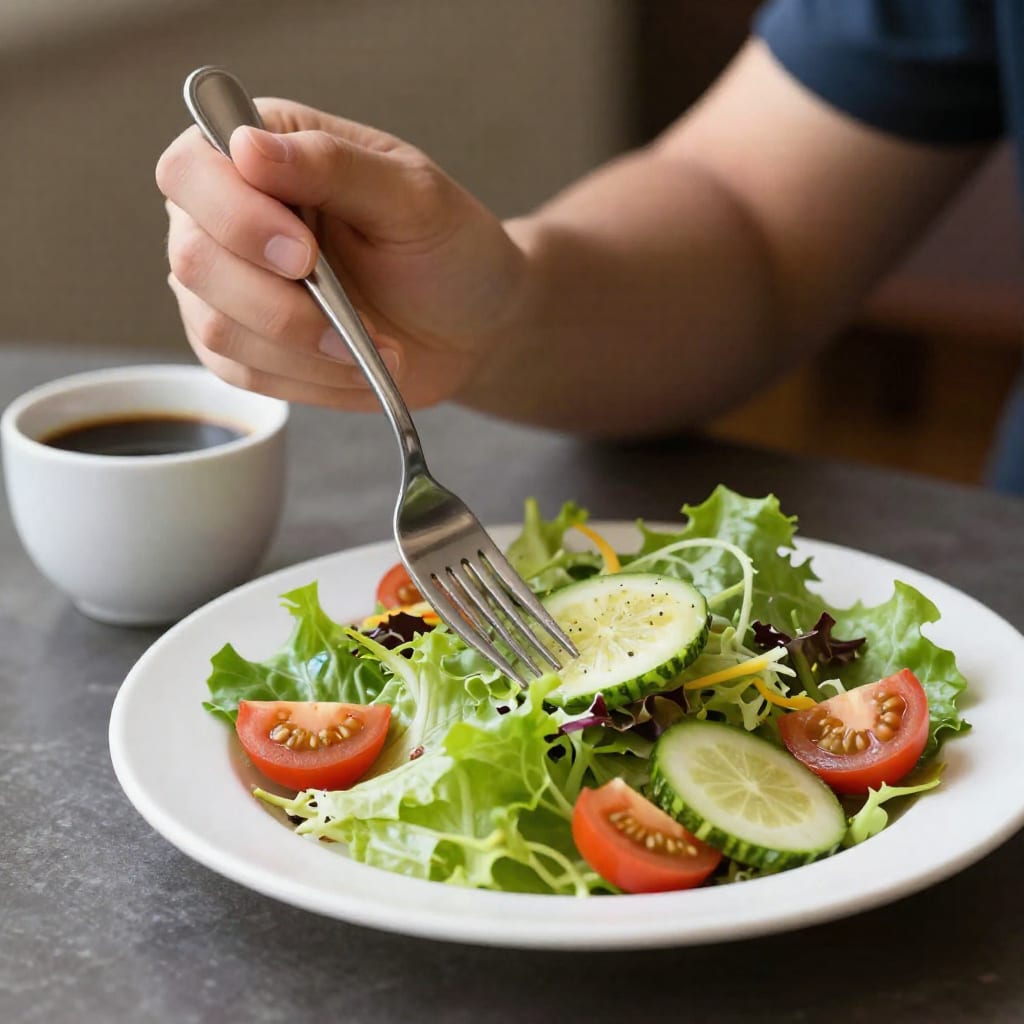
What Actually Counts as 'Tracking' in the 80/20 Method (And What Doesn't)
Tracking in the traditional sense means calories, macros, grams, and numbers. In the 80/20 method, tracking means awareness without obsession. Here's what that looks like in practice:
Minimal Habits That Make a Real Difference
- Hunger check before eating: A quick pause to ask, "Am I physically hungry, or is this boredom/stress/thirst?" This alone can cut unconscious snacking in half.
- Fullness check during the meal: Halfway through, stop and notice your satiety level. Are you still hungry, or could you stop now and feel good?
- Food group mental note: After a meal, silently name the food groups you ate—"protein, veggie, carb, fat." That's 10 seconds of tracking with zero tech.
What doesn't count as tracking in this method is logging, weighing, or measuring anything. If you find yourself pulling out a food scale or opening a calorie counter, you've crossed the line back into obsession. The 80/20 method trusts that your body knows what it needs when you're paying gentle attention.
A Common Pitfall: Over-Tracking the 20%
I've seen people say, "I'll track my 20% treats to make sure I don't go over." That defeats the purpose. The 20% is meant to be free, flexible, and fun. If you're logging your Saturday pizza, you're still in the obsessive mindset. Just enjoy the pizza and move on.

How to Handle Real Life: Social Eating, Cravings, and 'Imperfect' Days
The 80/20 method shines exactly where other tracking approaches fall apart—in real life. Here's how to navigate common scenarios without guilt.
Restaurant Meals and Parties
When you're out with friends, you're not going to ask the server for a nutrition breakdown. Use the plate visual mentally: pick a protein and a vegetable-rich option if available, then enjoy the bread basket or dessert without a second thought. One meal doesn't break the pattern. I've found that if I eat 80% whole foods at home during the week, I can enjoy a birthday dinner or holiday party without any stress.
Cravings and Stress Eating
Cravings aren't the enemy. They're signals. If you're craving chocolate, eat a small piece mindfully—savor it, don't scarf it. If stress drives you to eat, acknowledge the emotion without judging yourself. The 80/20 method gives you space to have those moments and then return to your baseline without punishment. I remember one week where I had three days of stress-eating crackers and cheese. Instead of panicking, I just made sure my next few meals were packed with vegetables and lean protein. By day five, I was back to normal. No harm done.
Handling Days When You Go Way Over 20%
It happens. A vacation, a holiday, a rough week. The 80/20 method is forgiving: zero guilt, just return to the pattern at the next meal. No compensation, no extra exercise, no fasting. Research on mindful eating actually supports this—studies show that flexible, non-restrictive approaches lead to reduced binge eating and better long-term adherence. Your body doesn't need a punishment; it needs a return to consistency.
Frequently Asked Questions
Does the 80/20 method mean I can eat junk food 20% of the time?
Not exactly. It means you have flexible space for any food you enjoy, but the focus is on overall pattern. The 20% is for choice, not a license to binge. Think of it as adding more whole foods, not subtracting pleasure. Over time, you'll naturally gravitate toward foods that make you feel good.
How do I know if I'm really eating 80% nutritious foods without counting?
Use the simple plate visual I mentioned: aim for half vegetables/fruit, quarter protein, quarter whole grains. Over a week, notice if most of your meals and snacks fit that pattern. It's a rough guide, not a precise metric. If you're unsure, just ask yourself at the end of the day: "Did I eat something green, something with protein, and something with fiber?" If yes, you're good.
Won't I gain weight if I stop tracking calories?
Most people find that awareness without obsession leads to more consistent, intuitive choices. Weight stabilization often improves because you're not fighting your body's signals. Research on mindful eating shows reduced binge episodes and better long-term adherence. Your body is smarter than any app.
What if I have a medical condition that requires strict nutrient tracking?
The 80/20 method is not a replacement for medical advice. For conditions like diabetes or kidney disease, work with a dietitian to adapt the approach. But even there, reducing obsession can improve quality of life without compromising health. A dietitian can help you find a middle ground.
How do I handle days when I go way beyond 20% 'fun' foods?
This is normal and part of the method. The key is zero guilt—just return to the 80% pattern at the next meal. No compensation, no punishment. The beauty of the approach is that one imperfect day doesn't undo a week of balanced eating. Just keep going.
Practical Takeaway
If you've been stuck in the cycle of tracking everything and then burning out, give the 80/20 method a genuine try for two weeks. No apps. No guilt. Just a simple mental framework: 80% nourish, 20% delight, 100% awareness. You might be surprised at how much better you feel—and how much easier it is to stick with it long-term. Worth bookmarking before your next grocery run.