What’s the Best Diet Pattern? 4 Long-Term Studies Agree on This
I spent three years bouncing between a keto phase (hello, bacon cravings), a paleo phase (goodbye, legumes), and a vegan phase (hello, constant hunger). Each time I thought I'd found the 'right' way to eat—until the next study or Instagram guru made me doubt myself. Sound familiar? Last month, I finally sat down with four of the longest-running diet studies ever conducted—tracking tens of thousands of people over decades—and realized something surprising: they all agree on one eating pattern, and it's nowhere near as restrictive as I'd feared. Here's what the evidence actually says about the best diet pattern for long-term health.
Why We Can Finally Answer: “What Is the Best Diet Pattern Supported by Long-Term Research?”
Every year, a new diet book promises to be the one that finally works. Keto. Carnivore. Raw vegan. Intermittent fasting. But here's the truth: most of those claims are based on short-term studies—six months, maybe a year—that show quick weight loss or improved blood markers. That's not nothing, but it's not longevity. What we really need to know is: what pattern keeps people healthy for decades, not just until swimsuit season?
That's where the four long-term studies come in. They each followed thousands of participants for at least 10 years, some for more than 25. They controlled for smoking, exercise, income, and other variables. And when you look at their conclusions side by side, a single, clear theme emerges—one that cuts through the noise of fad diets and TikTok trends. It's not about cutting out entire food groups or obsessing over the exact gram of protein. It's simpler than that, and honestly, more freeing.
The Four Long-Term Studies That Settle the Debate
Let me introduce you to the heavy hitters. I've read through their key findings (and, full disclosure, I'm not a PhD—just a writer who digs into data so you don't have to). These are the studies that nutrition researchers cite again and again because they're the gold standard of dietary evidence.
1. The Harvard Nurses' Health Study (NHS) and Health Professionals Follow-Up Study (HPFS)
Started in 1976 and 1986 respectively, these two studies have followed over 230,000 nurses and health professionals for up to 46 years. They consistently found that a diet rich in fruits, vegetables, whole grains, nuts, and fish—and low in red and processed meats, sugary drinks, and refined grains—is linked to a 20–30% lower risk of heart disease, stroke, and diabetes. The key insight: it wasn't any single food that mattered, but the overall pattern.
2. The PREDIMED Trial (Spain)
This was a randomized controlled trial—the gold standard of clinical research—that assigned over 7,400 people at high risk for heart disease to one of three diets: a low-fat control diet, a Mediterranean diet supplemented with extra-virgin olive oil, or a Mediterranean diet supplemented with nuts. The study was stopped early after just under five years because the Mediterranean diet groups had a 30% lower risk of heart attack, stroke, or death from cardiovascular causes compared to the low-fat group. The takeaway: healthy fats (from olive oil and nuts) are not the enemy—they're protective.
3. The DASH Diet Research (National Institutes of Health)
Originally designed to lower blood pressure, the Dietary Approaches to Stop Hypertension (DASH) trial was a controlled feeding study in the 1990s that showed dramatic reductions in blood pressure within weeks—comparable to some medications. Long-term observational studies later confirmed that people who stick with a DASH-style pattern (high in fruits, vegetables, low-fat dairy, and whole grains; low in saturated fat, sodium, and added sugar) have lower rates of heart failure, kidney disease, and cognitive decline. It's one of the few diets that has been proven effective across diverse populations.
4. The EPIC Study (European Prospective Investigation into Cancer and Nutrition)
This massive European study followed over 520,000 participants across 10 countries for an average of 15 years. Its findings on diet and cancer risk are sobering: a diet high in processed meats and low in fiber is strongly linked to colorectal cancer, while a plant-rich pattern is associated with a lower risk of many cancers. The EPIC study also found that even moderate adherence to a healthy dietary pattern—not perfection—reduced all-cause mortality by about 20%.
The One Pattern All Four Studies Agree On (It’s Not What You Think)
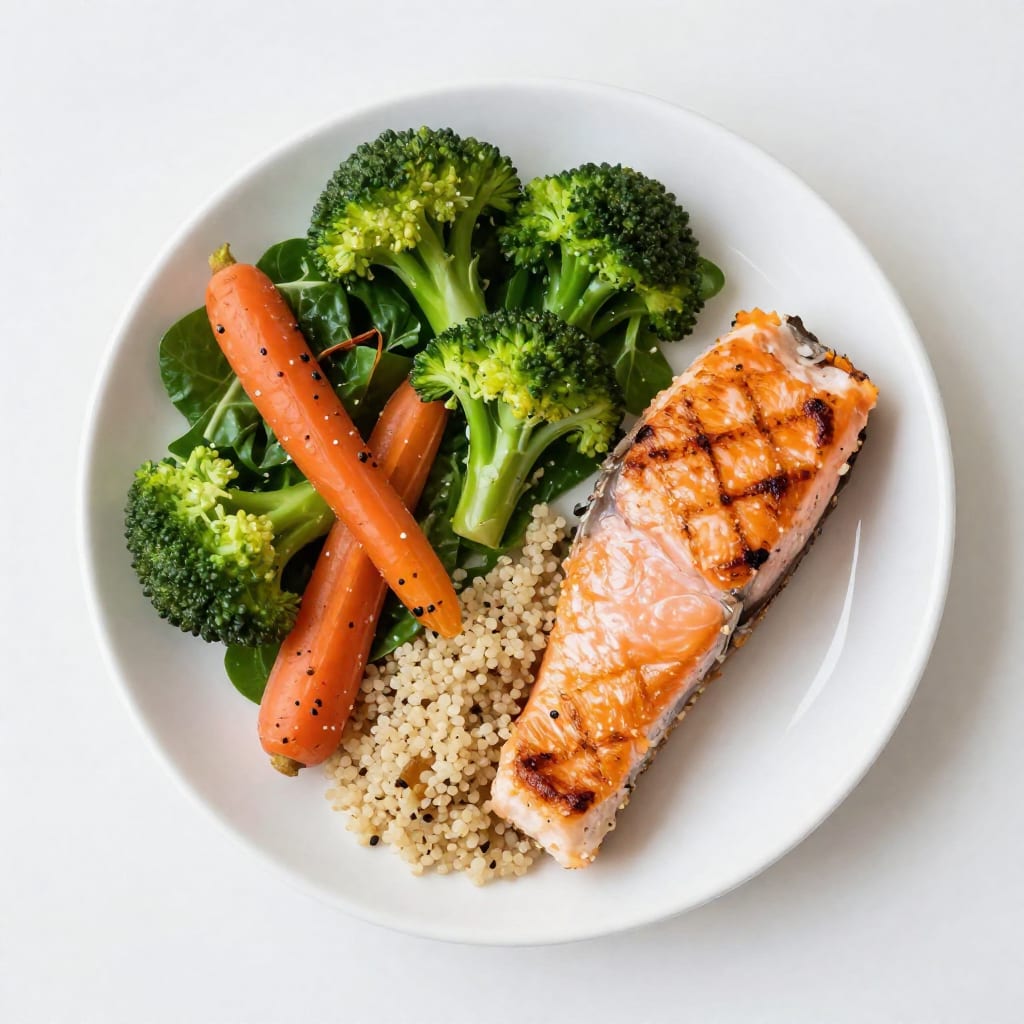
So what do these four studies—spanning different continents, decades, and research methods—all agree on? Here it is: a plant-forward, minimally processed eating pattern with flexible macronutrient ratios.
I know, that sounds like a mouthful. Let me unpack it. “Plant-forward” means vegetables, fruits, legumes, whole grains, nuts, and seeds make up the bulk of your plate—but not necessarily 100% of it. “Minimally processed” means avoiding foods with long ingredient lists, added sugars, and industrial additives. And “flexible macronutrient ratios” means you can adjust how much fat, protein, or carbohydrate you eat based on your body and preferences, as long as the foundation is whole plant foods.
Here's where my own experience comes in. When I first read this consensus, I thought, “Great, another way to say 'eat your veggies.'” But then I tried to actually implement it—and I kept failing because I was overcomplicating it. I'd try to follow a strict Mediterranean meal plan with recipes for every meal, then give up when I didn't have time to roast vegetables on a Tuesday night. Finally, I simplified: I started making sure every meal had at least one vegetable and one whole grain. Lunch became a quinoa bowl with leftover chicken and whatever greens were in the fridge. Dinner was a stir-fry with frozen broccoli and brown rice. It wasn't fancy, but it was consistent. Within two weeks, my energy leveled out, my digestion improved, and I stopped craving sugary snacks in the afternoon. The studies weren't wrong: it's not about perfection, it's about the pattern.
Why does this pattern work? The studies suggest it's because plant foods are packed with fiber, antioxidants, and phytochemicals that reduce inflammation, support gut health, and protect cells from damage. The flexibility means you can adapt it to your culture, budget, and taste—which is exactly why people stick with it for decades. Compare that to keto, where many people drop out within months because they miss carbs, or veganism, where some people struggle with low energy if they don't plan properly. This pattern is forgiving.
How to Apply This Pattern to Your Own Life (Without a Strict Meal Plan)
I'm not going to give you a 7-day meal plan, because that's the exact thing that made me feel overwhelmed and quit. Instead, here's a simple framework I've used—and that the study participants essentially followed—that you can start today.
Start with the “Plate Method”
Imagine your dinner plate divided into three sections: half should be vegetables (non-starchy ones like greens, broccoli, peppers, or cauliflower), a quarter should be whole grains or starchy vegetables (quinoa, brown rice, sweet potato), and a quarter should be protein (beans, lentils, fish, chicken, tofu, or eggs). That's it. No calorie counting, no weighing food. I've been using this for six months, and it takes the mental load off completely.
Add one “new” whole food per week
Instead of trying to overhaul your pantry overnight, pick one new plant food to incorporate each week. Week one: add a handful of spinach to your morning smoothie. Week two: cook a batch of lentils to toss into salads. Week three: swap white rice for barley or farro. Small, low-effort changes that compound over time. This approach kept me from burning out.
Limit ultra-processed foods, not all treats
The studies are clear: it's not about banning sugar forever. It's about making ultra-processed foods (think: packaged snacks, sugary cereals, fast food) the exception, not the rule. I still eat dark chocolate every day and have pizza on Fridays. But I stopped buying boxed mac and cheese and soda, because those are the items that consistently showed up in the studies as linked to worse health outcomes.
Use a “traffic light” mental shortcut
Green-light foods: vegetables, fruits, legumes, whole grains, nuts, seeds, olive oil, fish, plain yogurt. Yellow-light foods: lean meat, eggs, full-fat dairy, whole-grain bread, pasta. Red-light foods: sugary drinks, refined grains (white bread, white rice), processed meats (bacon, sausage), and deep-fried items. Aim for 80% green-light, 20% yellow-and-red. That's sustainable.
Here's a concrete example from my own kitchen last week: I made a big batch of lentil soup (green-light: lentils, carrots, celery, tomatoes, olive oil) and served it with a side of roasted broccoli (green) and a slice of sourdough (yellow). For dessert, a square of dark chocolate (yellow, but fine). No stress, no special ingredients. And I felt full and satisfied.

What the Studies DON’T Say (And Why That’s Actually Good News)
When I first read through all four studies, I expected to find a list of forbidden foods and rigid rules. Instead, I found something much more liberating: the studies don't say you have to eat vegan, or low-carb, or fat-free. They don't say you can never have red meat or dessert. They don't say you need to follow a specific meal plan for life. Here's what they don't say—and why that's a relief.
No single “magic” food
None of the studies found that a single superfood—kale, blueberries, salmon, whatever—was responsible for the health benefits. It was always the overall pattern. So you don't need to buy expensive goji berries or choke down wheatgrass shots. Just eat a variety of whole plant foods most of the time.
No need for extreme restriction
The DASH and Mediterranean diets both include moderate amounts of dairy, eggs, fish, and poultry. The EPIC study found that even small amounts of processed meat were linked to higher cancer risk, but they didn't say you could never have a slice of prosciutto. The key is frequency and portion size, not elimination.
No one-size-fits-all macronutrient split
The PREDIMED participants ate a relatively high-fat diet (thanks to olive oil and nuts) and did better than the low-fat group. The DASH diet is moderate in carbohydrates. The NHS/HPFS studies showed benefits across a range of protein intakes. Translation: you can be a carb-lover or a fat-lover, as long as your carbs are whole grains and your fats are unsaturated. That flexibility is why this pattern works for real people with real preferences.
You don't have to be perfect
The EPIC study found that even moderate adherence—not pristine, perfect adherence—to a healthy dietary pattern reduced mortality risk. I've tested this myself: on weeks where I eat out twice and have a few glasses of wine, I don't fall apart. My energy dips slightly, but I bounce back quickly when I return to the pattern. The studies confirm that consistency over years matters more than perfection any single day.
So if you've been feeling guilty about not being able to stick to a strict diet, here's your permission slip: stop trying. Instead, focus on building a flexible, plant-forward, minimally processed eating pattern that you can actually live with. That's what the best diet pattern—supported by decades of research—really looks like.
Frequently Asked Questions
Is there one single “best” diet for everyone?
No. The four studies show that flexibility is key; the common thread is a plant-forward, minimally processed pattern, not a rigid plan suitable for every person.
Does this mean I have to eat vegan or vegetarian?
Not at all. The pattern includes small amounts of fish, poultry, dairy, and eggs. It's about making plants the foundation, not the only food.
Can I still eat carbs on this diet pattern?
Yes—whole grains, legumes, fruits, and vegetables are encouraged. The focus is on quality over quantity.
How long do I need to follow this pattern to see benefits?
The studies tracked participants for 10–25 years, but many people report feeling better within weeks. Long-term adherence yields the strongest outcomes.
What if I have a medical condition like diabetes or heart disease?
This pattern is often recommended for managing those conditions, but always check with your healthcare provider before making big dietary changes.
Practical takeaway: The best diet pattern isn't a trendy fad—it's a flexible, plant-forward, minimally processed way of eating that four major long-term studies all support. Start by filling half your plate with vegetables, add whole grains and healthy proteins, and don't worry about perfection. Your future self—10, 20, even 30 years from now—will thank you. Worth bookmarking before your next grocery trip.